
My startup succeeded for four years.Then it failed in one.
I used a physicist's lens to find out why, and I found the same pattern in company after company.
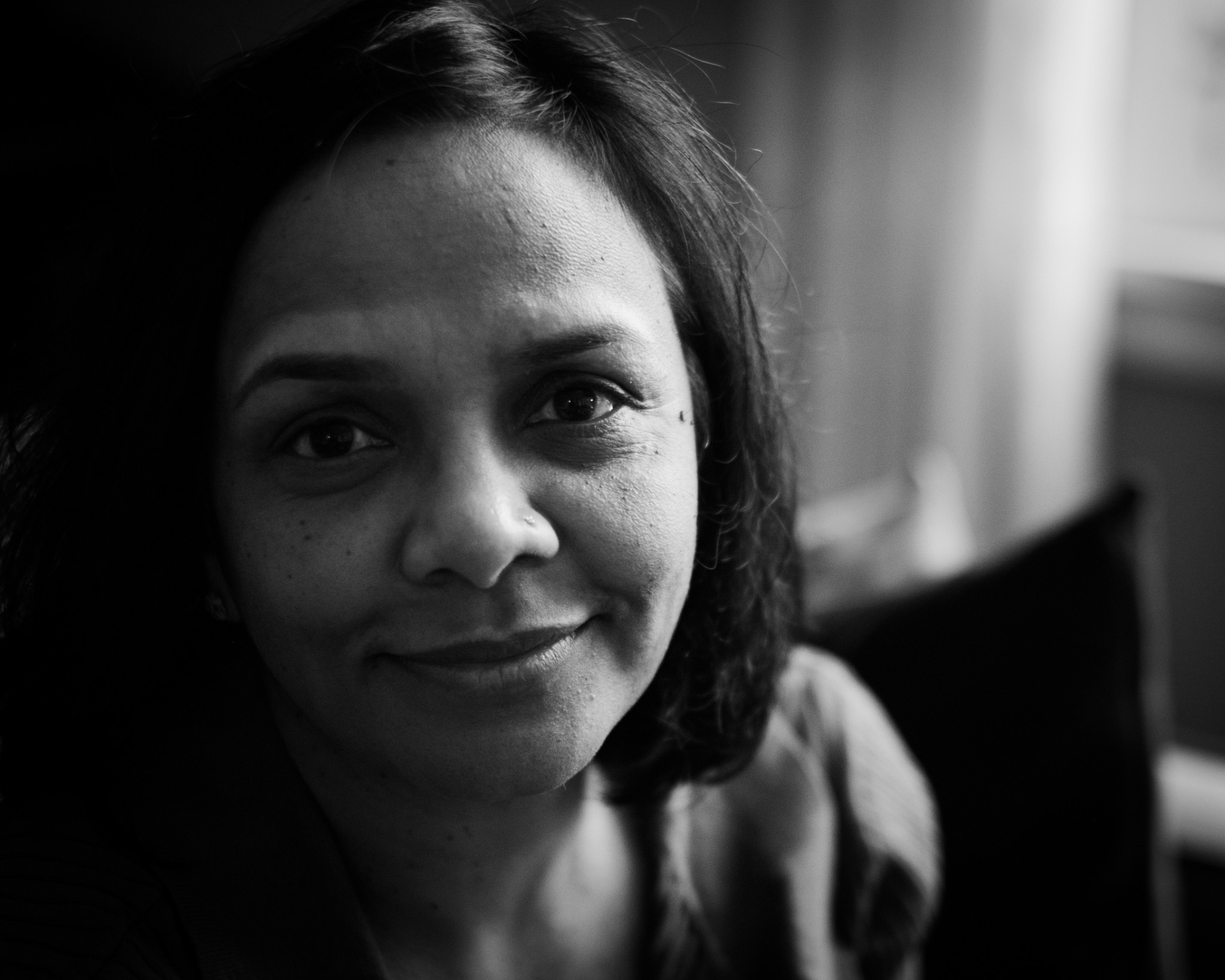
I built Tørn to 120 million NOK in transactions across two countries in four years, with good investors behind me, and it failed. I have a PhD in physics and twenty years in tech, consulting, and operating roles. After Tørn, I spent half a year going back through it and through other companies I had worked with and advised, and the same structural mistake was there again and again.
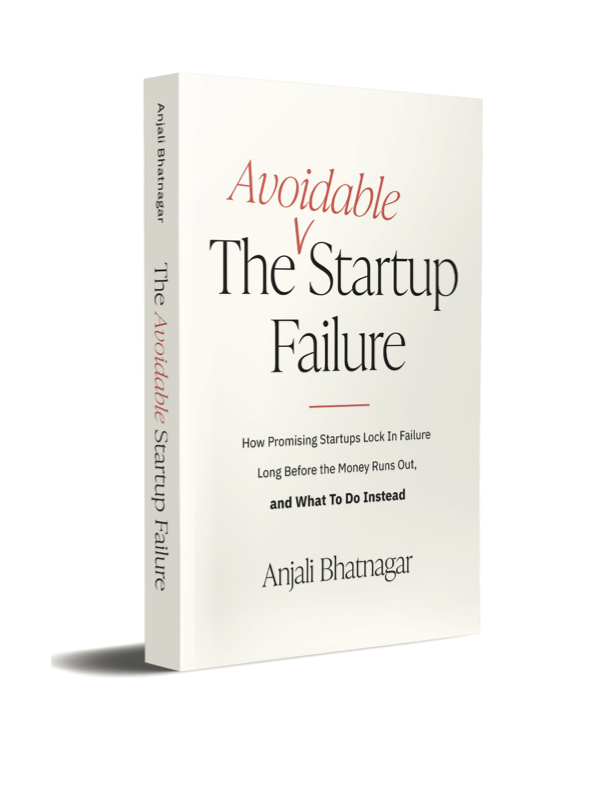
The Avoidable
Startup Failure.
How promising companies lock in failure long before the money runs out, and what to do instead.
The first edition is a signed, limited print run from Norway. The softcover, paperback and Kindle editions are on every Amazon marketplace.
"I gave it to my two co-founders and told them this is the blueprint we should follow."
Danny Martinez, co-founder of Decimals.coWith a foreword by Alex M. H. Smith, author of No Bullsh*t Strategy.
Most startups that fail did not have to.
They had real markets, capable teams, and money in the bank. They failed because they committed to hiring, building, and expanding on assumptions nobody around them was trained to question, often years before the money ran out. It is neither bad luck nor many different problems. It is one pattern, repeating.
Where I write
I write regularly about startups, capital, and what I learned building and failing.
A series for founders in the growth phase, on LinkedIn.
Longer pieces on startups, capital, AI, and leadership, on Substack.
The work
I work with founders, investors and programmes on one question. What has this company actually proven, and what is it about to commit people, money and time to anyway?
The diagnostic
A fixed-price diagnostic of a single company. You answer a structured set of questions and send the evidence behind the answers, along with your category, your market and how you describe yourself to customers. I work through it. You get back what has been proven, what is still an assumption, and the one thing worth testing before your next commitment.
It is running now with twenty tech startups in Oslo. It opens to everyone else in October, at NOK 20,000 to 40,000, depending on the stage of the company and how much evidence there is to go through.
For speaking, panels, investor groups and programme work, write to contact@anjali.no.